Your property may now support a 6-storey apartment building.
Toronto now allows small apartment buildings on qualifying residential properties along designated Major Streets. Enter your address to check whether yours may qualify.
Choose your address from the suggestions.
Free property check · No account required · Based on Toronto zoning data
What is Major Street Development in Toronto?
Toronto's Major Streets framework — part of the City's Official Plan amendments and Zoning By-law 1062-2025 — allows small apartment buildings and townhouses to be built on residential lots that front or flank designated arterial roads. Before September 2025, anything above a fourplex required a rezoning application that could take two to four years. That path still exists, but eligible Major Street properties now have a faster, as-of-right alternative.
The catch: frontage on a designated street is only the first test. Zoning standards, lot size, setbacks, and site conditions still determine what you can actually build. That's what LotMore checks for your specific address.
One property. Very different development potential.
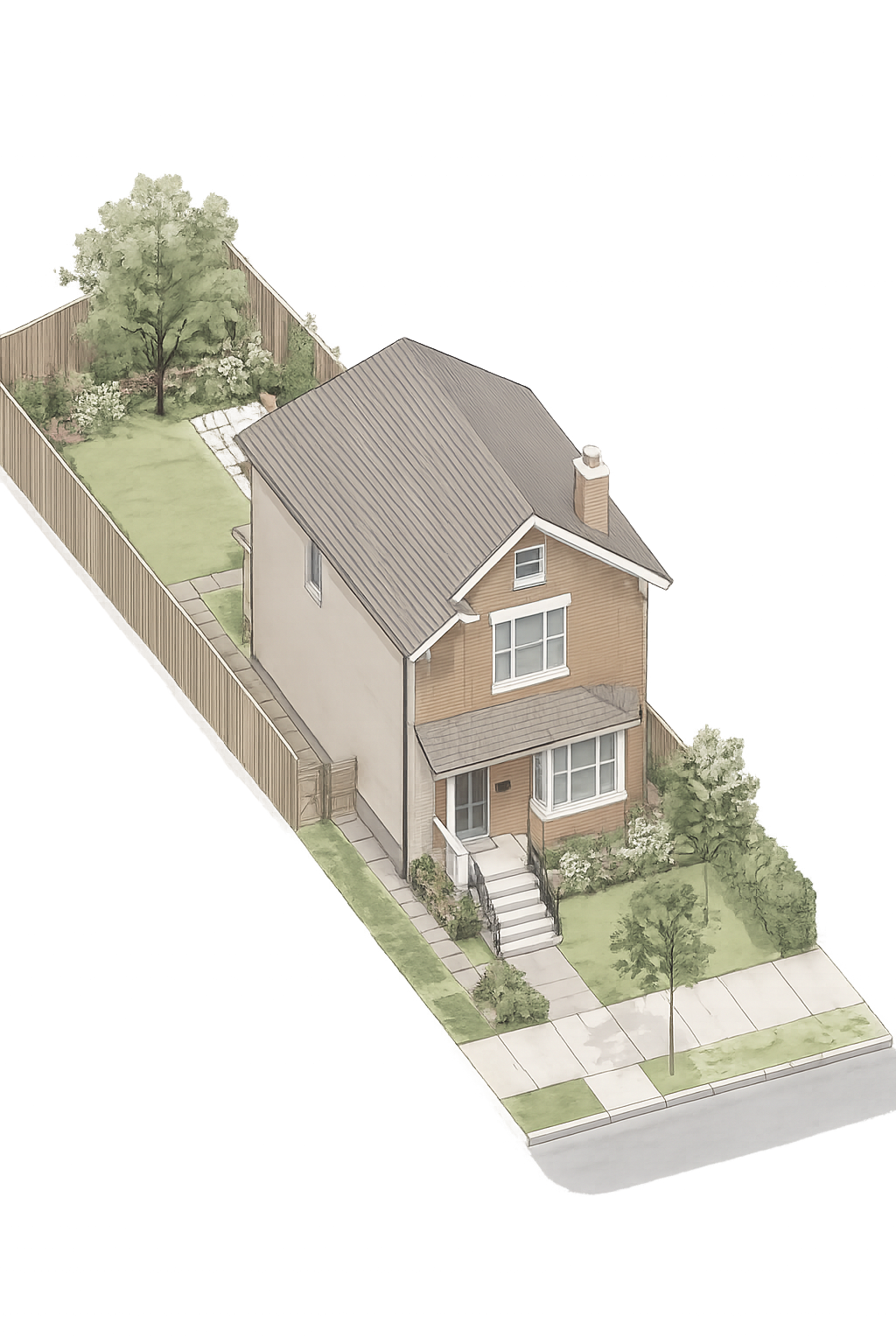
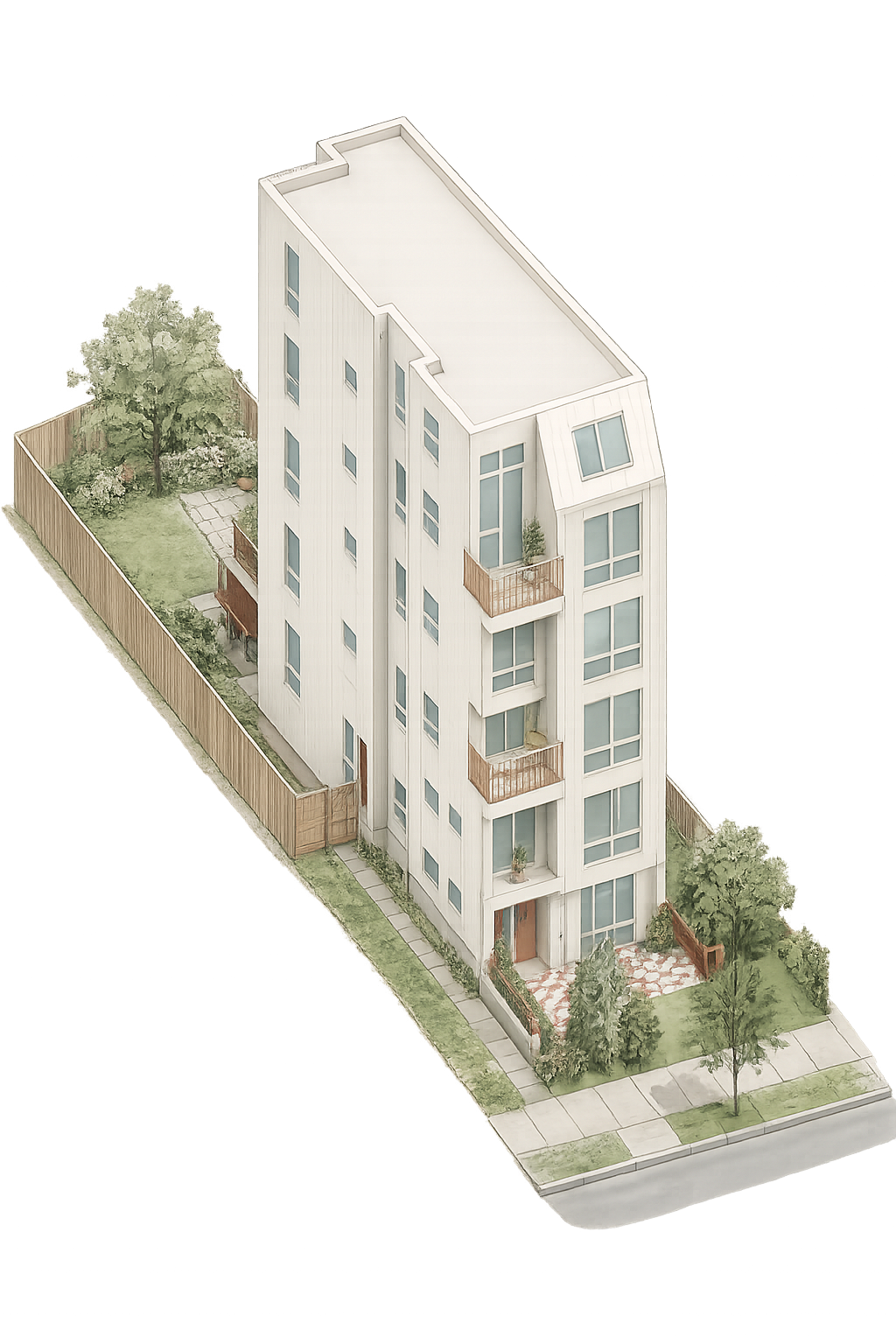
Toronto's Major Streets changes expand the types of housing that can be built on qualifying residential properties. Instead of limiting redevelopment primarily to houses and multiplexes, eligible sites can now be considered for townhouse and small apartment-building forms.
Is your property eligible?
The street's name isn't the real test. Eligibility depends on four things together.
Major Street
The property must front or flank a street identified on Official Plan Map 3.
Neighbourhoods
The Major Streets framework is aimed at properties designated Neighbourhoods.
Residential zoning
The applicable residential zone and site-specific exceptions must be checked.
Development envelope
Lot dimensions, setbacks, landscaping, trees, access and other regulations determine what actually fits.
Being on a Major Street does not automatically mean a six-storey building is permitted.
The City determines Major Streets using Official Plan Map 3 — not simply whether a road happens to be large or busy.
What could you build?
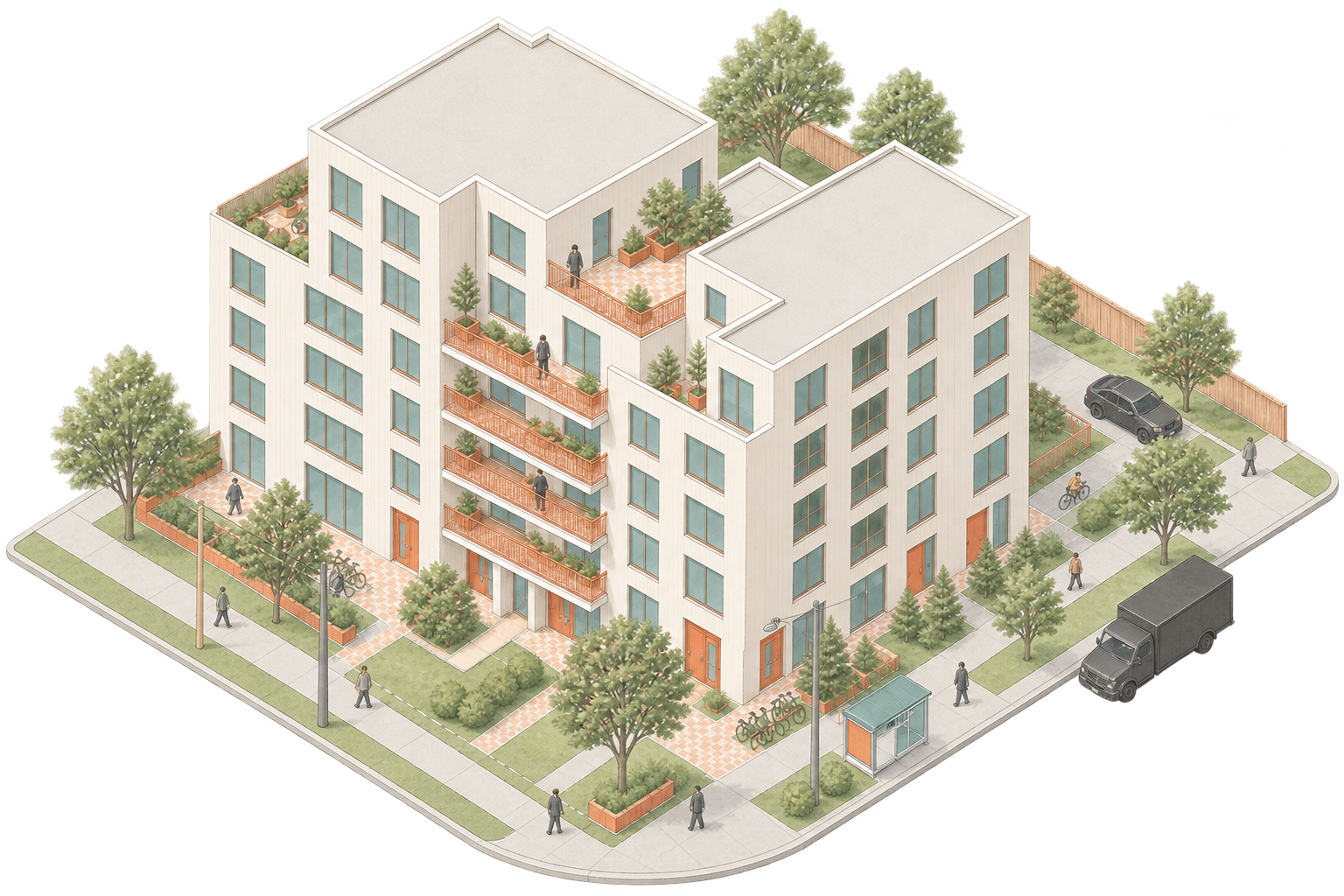
Up to 6 storeys
Up to 4 storeys
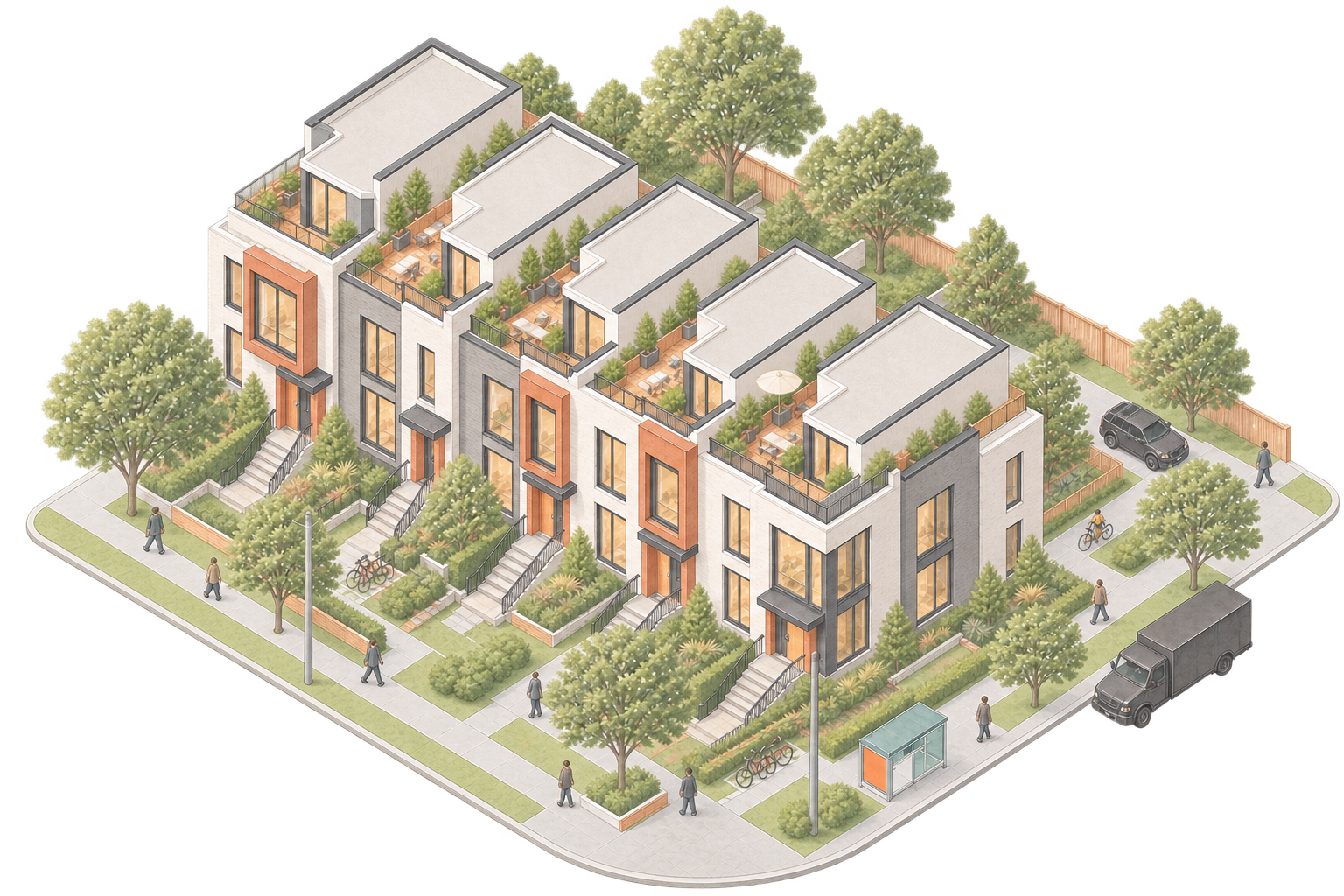
This is a guide to building type, not a full standards list — your report covers the actual zoning envelope for your address.
What does "as-of-right" actually mean?
If your proposed development complies with the applicable zoning, you may not need a rezoning or Official Plan Amendment to establish the permitted Major Street building type.
Key rules at a glance
Six storeys doesn't mean six storeys fit everywhere.
The zoning permission establishes what may be possible. The lot geometry determines what is practical.
What does this look like on a Toronto lot?
Constrained Major Street Site
Apartment permission may exist, but width, setbacks, trees and access can significantly constrain the envelope.
Small Apartment Opportunity
A wider lot may provide substantially more flexibility for an apartment-building form.
Development Site
Combining adjacent properties may create a more significant apartment-building opportunity, though lot assembly, severance, and consent requirements add real complexity and are never guaranteed. [DRAFT — needs review]
Interactive sample
Try Feasibility Studio.
Explore an illustrative garden-suite project. Adjust the height and setbacks, then see the 3D model and rule checks respond. The sample uses fictional property data; it is not an assessment of your property.
Try our feasibility studioMajor Street development, plainly answered.
Check the street.
Test the massing.
Start with the address. The analysis opens with the Major Street path ready, then your report.
Choose your address from the suggestions.
No account needed to start